Thematic Experiences: Seeing Luxor Through a Different Lens
1. The Theban Hills: Whispers of the Workers & Rebels
While everyone goes to the Valley of the Kings, the real human stories are hidden in the surrounding hills.
Deir el-Medina: The “Blue-Collar” Village. This is not a tomb of a king, but the home of the very artisans who built the royal tombs. Walk through their well-preserved houses and see their own, incredibly vibrant tombs. The paintings here are often more vivid and detailed than in the royal tombs, depicting intimate scenes of family life, proving these were real people, not just anonymous slaves.
The Tomb of the “Strikes” (Tomb of Sennedjem): In this village, you can learn about the first recorded labor strike in history. The workers downed tools because their rations were delayed. It’s a powerful, humanizing story that brings the ancient world to life.
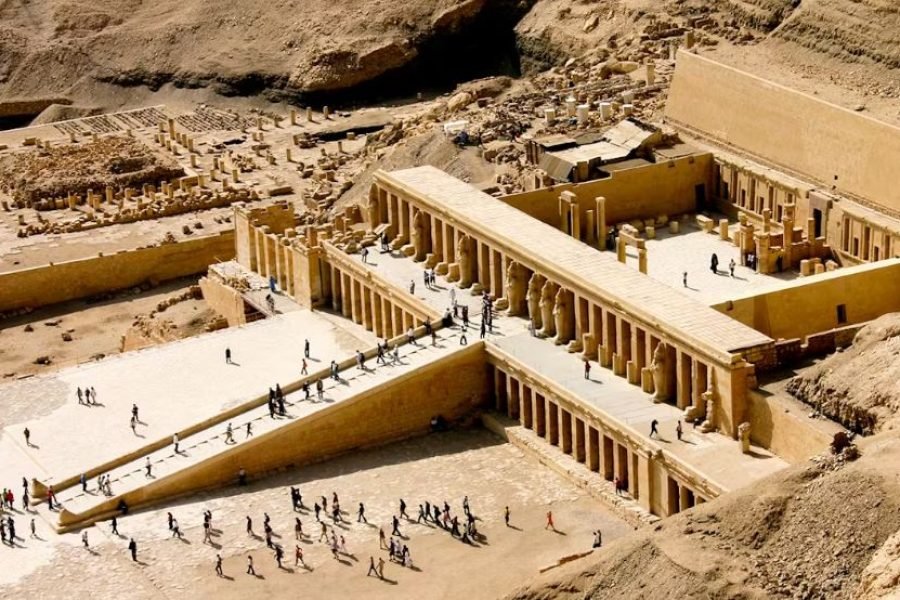
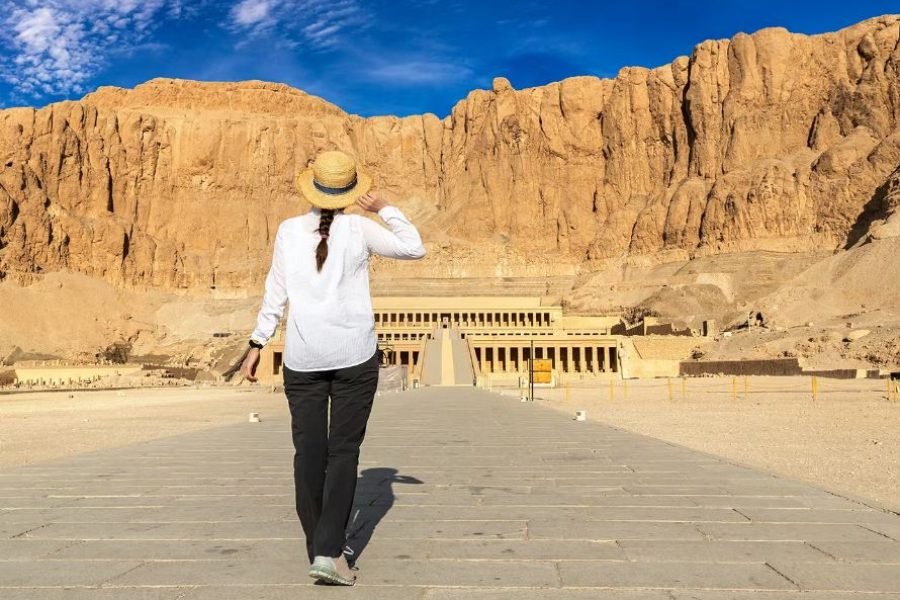
The “Asasif” Rebels: On the processional way to Hatshepsut’s temple, explore the tombs of the Asasif nobles (like Tomb of Kheruef). These officials served under the “heretic” pharaoh Akhenaten. Their art shows a fascinating transition—a blend of traditional styles and the radical, naturalistic Amarna art, a silent testament to a period of religious and political revolution.
2. The Living Nile: A River of Daily Rituals
The Nile is the lifeblood of Luxor. Experience it as the locals do, beyond the ferry crossing.
Felucca at the “Banana Island”: Instead of a short ride, take a felucca south to a local banana plantation island. Walk through the lush, shaded groves, taste bananas fresh from the tree, and see the irrigation channels that have sustained life here for millennia. It’s a stark, green contrast to the golden desert.
Sunrise on the River: Hire a small boat for a sunrise trip. Watching the sun ignite the Theban Mountains and the Colossi of Memnon from the silent, misty water is a spiritual experience far from the midday crowds.
The West Bank Farmers’ Canal: Rent a bicycle and ride the dirt paths along the irrigation canals deep into the West Bank farmland. You’ll see water buffalo, farmers working the fields with simple tools, and children playing, all with the majestic backdrop of the desert mountains. This is the real Egypt, unchanged for centuries.
3. Luxor’s “Other” Side: Coptic & Modern Life
Luxor’s history didn’t end with the Pharaohs.
The Monastery of St. Theban (Deir el-Bakhit): High in the Theban hills, a short hike leads to the ruins of a Coptic monastery built atop and from Pharaonic ruins. You can see Christian crosses carved next to hieroglyphs, a powerful symbol of Egypt’s layered faith.
The “Jar” of Luxor Temple: Most visit Luxor Temple at night (which is spectacular). But go during the day and find the Abu Haggag Mosque built inside the temple’s courtyard. It sits 15 feet above the ancient floor level, a physical timeline of the city’s history. During the annual mosque festival, a boat is paraded through the streets—a possible echo of the Opet Festival procession of the ancient Egyptians.
Luxor’s Local Souk (Market): Skip the tourist bazaar and go to the local market, north of the temple. It’s a riot of smells, sounds, and colors: mounds of spices, baskets of lentils, sides of beef, and household goods. It’s where Luxor residents shop, and it offers an unvarnished look at daily life.
4. Unique & Immersive Activities
A Home-Cooked Meal in a West Bank Village: Arrange to have dinner in a mud-brick home in a village like Gurna. Eat traditional Upper Egyptian food like fattah (a dish with rice, bread, and meat) or molokhia (a green soup), and hear stories from a local family. This supports the community directly and is an unforgettable cultural exchange.
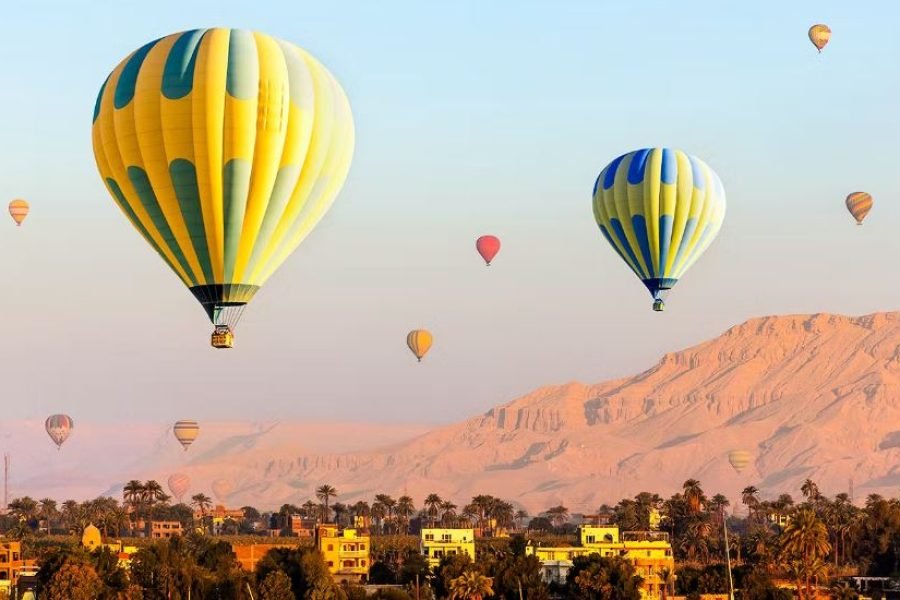
Hot Air Balloon at Sunrise (with a twist): Yes, the balloon ride is famous, but the unique perspective is seeing the geography. From above, you truly understand why the Egyptians built the temples for the “living” on the East Bank (where the sun rises) and the tombs for the “dead” on the West Bank (where the sun sets). It’s a lesson in cosmology from the sky.
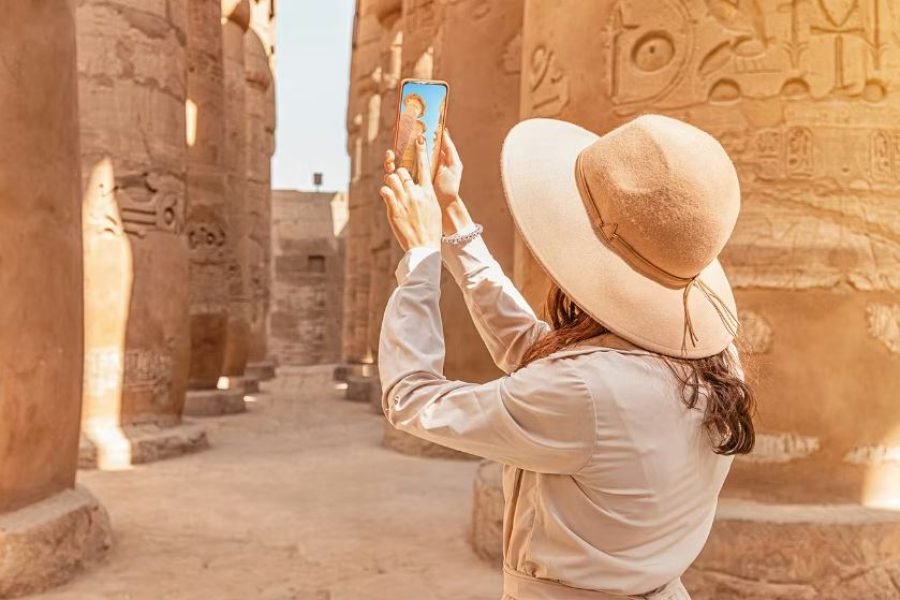
The Sound and Light Show at Karnak (Re-imagined): While the show itself is kitschy, visiting Karnak at night is not. The monumental columns are dramatically lit, casting long, eerie shadows. Walk the Avenue of Sphinxes in the quiet of the night and feel the sheer scale and power of the place without the crowds. It’s less about the show, more about the atmosphere.